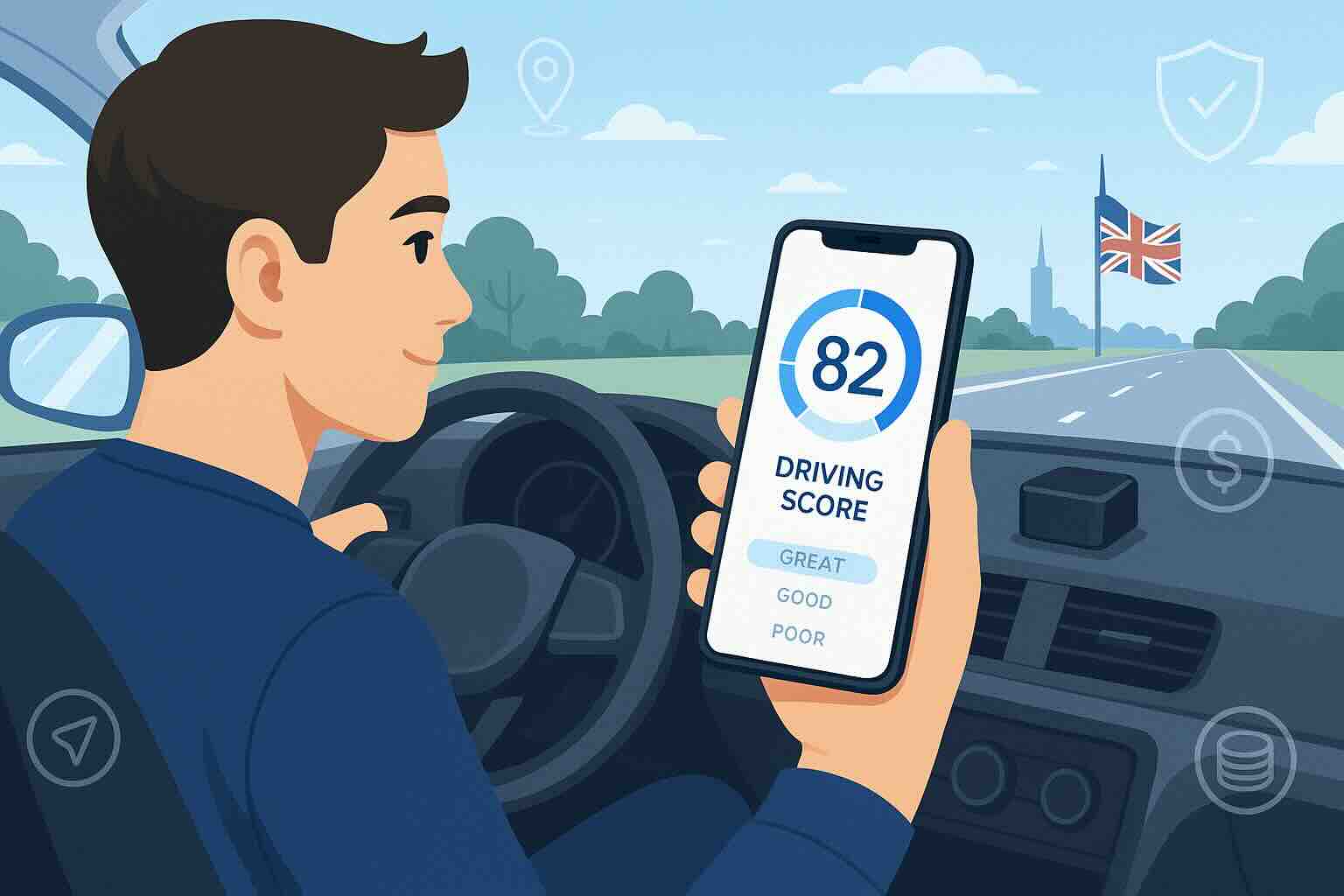
Young drivers in the UK face astronomical insurance premiums, often exceeding £2,000 annually. However, black box car insurance (telematics) offers a proven solution, potentially reducing premiums by 20-40% while helping new drivers develop safer habits. This technology monitors driving behaviour through GPS and accelerometer data, rewarding responsible driving with lower costs and providing parents peace of mind through real-time feedback.
Understanding Black Box Car Insurance for Young UK Drivers
Black box insurance, officially known as telematics insurance, represents a revolutionary approach to car insurance pricing for young drivers across the United Kingdom. Rather than relying solely on statistical data about age groups, this technology-driven solution monitors actual driving behaviour to determine premium costs.
The system works through a small device installed in your vehicle or a smartphone app that tracks various driving metrics. Insurance companies analyse this data to assess risk levels, offering personalised premiums based on individual driving performance rather than demographic assumptions.
For young drivers aged 17-25, traditional insurance premiums often reach prohibitive levels due to statistical risk assessments. Black box insurance disrupts this model by providing insurers with real-time evidence of safe driving habits, creating opportunities for significant premium reductions.
The technology has gained tremendous traction in the UK market, with over 1.5 million drivers currently using telematics-based policies. This adoption rate reflects both the financial benefits for young drivers and the improved road safety outcomes observed by insurance providers.
How Black Box Technology Works in UK Car Insurance
Modern black box systems utilise sophisticated GPS tracking, accelerometers, and gyroscopes to monitor driving behaviour comprehensively. The device continuously records data about speed, acceleration, braking patterns, cornering behaviour, and journey timing.
Insurance companies typically focus on several key metrics when evaluating driving performance. Speed monitoring ensures drivers maintain appropriate speeds for different road types and conditions. Harsh acceleration and heavy braking incidents indicate potentially risky driving behaviour that could lead to accidents.
Journey timing analysis examines when drivers typically travel, with late-night and early-morning driving often carrying higher risk factors. The technology also monitors phone usage while driving, helping identify distracted driving behaviours that significantly increase accident likelihood.
Data transmission occurs automatically through mobile networks, with most systems providing real-time feedback through smartphone applications. Young drivers can access their driving scores, receive improvement suggestions, and track progress over time.
The sophistication of modern telematics extends beyond basic monitoring. Advanced systems can differentiate between different drivers using the same vehicle, detect emergency braking situations, and even provide automatic crash detection with emergency response capabilities.
Types of Black Box Insurance Available to Young Drivers
Traditional Black Box Devices
Physical black box devices remain the most common telematics solution for young drivers in the UK. These hardwired units connect directly to the vehicle’s diagnostic port, ensuring reliable data collection and transmission. Installation typically requires professional fitting, though many insurers provide mobile installation services.
Traditional devices offer superior accuracy compared to smartphone alternatives, as they integrate directly with vehicle systems. They’re also immune to battery drain issues or smartphone compatibility problems that might affect app-based solutions.
Smartphone App Telematics
App-based telematics solutions leverage smartphone sensors to monitor driving behaviour without requiring physical device installation. These solutions appeal to young drivers who prefer immediate access without installation appointments or vehicle modifications.
Modern smartphone apps utilise GPS, accelerometer, and gyroscope data to provide comprehensive driving analysis. However, accuracy can vary depending on phone placement, battery levels, and background app performance.
Hybrid Systems
Some insurers offer hybrid approaches combining physical devices with smartphone applications. These systems provide enhanced accuracy through device monitoring while offering convenient access to driving data and feedback through mobile apps.
Hybrid solutions often include additional features such as vehicle diagnostics, maintenance reminders, and enhanced theft protection capabilities that appeal to young drivers and their parents.
Benefits of Black Box Insurance for Young UK Drivers
Substantial Premium Savings
The primary advantage of black box insurance for young drivers centres on significant premium reductions. Safe drivers can achieve savings ranging from 20% to 40% compared to traditional insurance policies. These savings compound over time as young drivers build positive driving records.
Many insurers offer initial discounts simply for agreeing to telematics monitoring, with additional reductions available based on demonstrated safe driving behaviour. Some providers implement tiered pricing structures where consistently safe drivers receive progressively larger discounts.
Improved Driving Habits
Black box technology naturally encourages safer driving behaviours among young drivers. The knowledge that driving performance is monitored and directly impacts insurance costs creates powerful incentives for responsible road behaviour.
Real-time feedback helps young drivers identify and correct potentially dangerous habits before they become ingrained. This educational aspect proves particularly valuable for newly licensed drivers still developing their skills and judgment.
Parental Peace of Mind
Many black box systems include features allowing parents to monitor their young driver’s behaviour. Speed alerts, journey notifications, and driving score summaries help parents stay informed about their teenager’s driving without intrusive direct supervision.
Emergency features such as crash detection and automatic emergency response provide additional security for families concerned about young driver safety.
Theft Protection and Recovery
Black box devices often include vehicle tracking capabilities that aid in theft recovery. For young drivers who may own older or more theft-prone vehicles, this additional protection can prove invaluable.
Some systems provide real-time alerts for unauthorised vehicle movement, helping prevent theft or quickly locate stolen vehicles.
Potential Drawbacks and Considerations
Privacy Concerns
Young drivers and their families must consider privacy implications associated with comprehensive vehicle tracking. Black box systems continuously monitor location, journey patterns, and driving times, creating detailed profiles of travel behaviour.
While insurers typically focus on driving behaviour rather than specific locations, the potential for data misuse or unauthorised access remains a legitimate concern for privacy-conscious individuals.
Driving Restrictions and Penalties
Some black box policies include specific restrictions that may limit young drivers’ flexibility. Curfew restrictions, mileage limitations, or passenger restrictions can prove challenging for students or young professionals with varying schedules.
Penalty systems for poor driving behaviour can result in mid-term premium increases or policy cancellations, potentially leaving young drivers scrambling for alternative coverage.
Technology Reliability Issues
Black box systems depend on reliable technology infrastructure that can occasionally fail. GPS signal issues, device malfunctions, or network connectivity problems might result in inaccurate data collection or missed journey records.
Young drivers should understand their insurer’s policies regarding technology failures and ensure they have procedures for reporting and resolving technical issues.
Top UK Insurance Providers for Young Driver Black Box Policies
Admiral Group (Admiral, Bell, Elephant)
Admiral Group pioneered telematics insurance in the UK market and continues leading innovation in young driver coverage. Their “Admiral LittleBox” program offers comprehensive monitoring with flexible pricing structures tailored to young driver needs.
The company provides detailed driving feedback through user-friendly mobile applications, helping young drivers understand and improve their performance. Admiral’s extensive network ensures reliable customer support and technical assistance when needed.
Direct Line Group
Direct Line offers sophisticated telematics solutions through both physical devices and smartphone applications. Their young driver programs include educational components designed to improve road safety awareness alongside insurance coverage.
The company’s comprehensive approach includes defensive driving courses, hazard perception training, and ongoing support for newly licensed drivers transitioning to independent driving.
AXA UK
AXA’s telematics offerings emphasise flexibility and personalisation for young drivers. Their policies accommodate varying driving patterns while maintaining competitive pricing for safe drivers.
The company’s European expertise in telematics insurance translates to robust UK offerings with comprehensive coverage options and reliable technology platforms.
LV= (Liverpool Victoria)
LV= focuses on family-oriented telematics solutions that appeal to parents seeking comprehensive coverage for young drivers. Their policies often include enhanced customer support and educational resources for developing driving skills.
The company’s approach emphasises long-term relationship building, helping young drivers transition to standard policies as they gain experience and demonstrate consistent safe driving.
Cost Analysis: Black Box vs Traditional Insurance for Young Drivers
Traditional Insurance Costs
Young male drivers in the UK typically face annual premiums ranging from £1,500 to £3,000 for comprehensive coverage, depending on location, vehicle type, and coverage levels. Female young drivers generally experience slightly lower premiums, though the gap has narrowed following EU gender discrimination regulations.
These high costs reflect statistical analysis showing young drivers experience significantly higher accident rates compared to experienced drivers. Insurance companies price policies based on group risk assessments rather than individual driving ability.
Black Box Insurance Pricing
Black box insurance policies for young drivers typically start with base premiums 10-20% lower than traditional policies, with additional savings available based on demonstrated safe driving. Top-performing young drivers can achieve total savings exceeding 40% compared to standard policies.
Monthly or pay-as-you-drive options provide flexibility for young drivers with limited income or irregular usage patterns. These structures can make insurance more affordable for students or part-time workers.
Long-term Financial Impact
The financial benefits of black box insurance extend beyond immediate premium savings. Young drivers who maintain clean records through telematics monitoring often qualify for better rates when transitioning to traditional policies.
Building a positive driving history through verified safe behaviour creates valuable insurance credentials that benefit young drivers throughout their driving careers.
Installation and Setup Process for Young Driver Black Box Insurance
Pre-Installation Requirements
Before black box installation, young drivers must ensure their vehicles meet insurer requirements regarding age, condition, and diagnostic port accessibility. Most insurers require vehicles manufactured after 2001 to ensure compatible diagnostic connections.
Documentation requirements typically include driving licence verification, vehicle registration documents, and proof of legal vehicle ownership or authorised use.
Professional Installation Process
Certified technicians typically complete black box installation within 30-60 minutes at approved service centres or through mobile installation services. The process involves connecting the device to the vehicle’s diagnostic port and conducting system tests to ensure proper functionality.
Installation appointments can usually be scheduled within 48-72 hours of policy activation, allowing young drivers to begin benefiting from telematics monitoring quickly.
Initial Calibration and Testing
Following installation, young drivers typically undergo a calibration period where the system learns normal driving patterns and establishes baseline measurements. This period usually lasts 1-2 weeks and requires regular driving to generate sufficient data.
During calibration, insurers may provide provisional scoring while the system establishes accurate measurement parameters for individual driving styles and vehicle characteristics.
Maximising Savings with Black Box Insurance
Optimal Driving Practices
Young drivers can maximise black box insurance savings by focusing on smooth, predictable driving behaviours. Gradual acceleration and deceleration demonstrate control and planning, while maintaining appropriate following distances shows defensive driving awareness.
Speed management proves crucial for achieving top scores. Staying within speed limits while matching traffic flow patterns indicates responsible driving judgment that insurers reward with lower premiums.
Journey Planning Strategies
Strategic journey timing can significantly impact telematics scores. Avoiding late-night and early-morning driving when possible reduces risk exposure, while planning routes to avoid high-risk areas or congested traffic improves overall performance metrics.
Combining errands into single trips reduces total mileage while demonstrating efficient vehicle usage patterns that insurers view favourably.
Ongoing Performance Monitoring
Regular review of driving performance through insurer mobile applications helps young drivers identify improvement opportunities and track progress over time. Most systems provide weekly or monthly summaries highlighting strengths and areas requiring attention.
Setting personal improvement goals and celebrating achievements helps maintain motivation for continued safe driving behaviours that translate directly into insurance savings.
Legal Requirements and Regulations for UK Black Box Insurance
Data Protection Compliance
UK black box insurance operates under strict data protection regulations ensuring consumer privacy rights. Insurers must clearly disclose data collection practices, storage procedures, and sharing policies before policy activation.
Young drivers retain rights to access collected data, request corrections for inaccuracies, and understand how information influences premium calculations. GDPR compliance ensures transparent data handling practices across all telematics providers.
Insurance Regulation Standards
The Financial Conduct Authority (FCA) regulates black box insurance products to ensure fair treatment of consumers and transparent pricing practices. These regulations protect young drivers from discriminatory practices while ensuring accurate risk assessment procedures.
Regular auditing ensures telematics systems meet accuracy standards and provide reliable data for premium calculations. Dispute resolution procedures protect consumers when technology issues or data inaccuracies occur.
Vehicle Modification Regulations
Black box installation must comply with vehicle modification regulations to maintain road legality and insurance validity. Professional installation ensures compliance with electrical safety standards and maintains vehicle warranty coverage.
Insurers typically provide certificates confirming installation compliance and system safety for regulatory purposes or vehicle inspections.
Future Trends in Young Driver Telematics Insurance
Advanced AI Integration
Artificial intelligence development promises more sophisticated analysis of driving patterns and risk assessment for young drivers. Machine learning algorithms can identify subtle behaviour patterns that predict accident likelihood more accurately than traditional statistical models.
Predictive analytics may enable proactive safety interventions, alerting young drivers to potentially dangerous situations before they develop into accidents.
Enhanced Vehicle Integration
Modern vehicle connectivity systems enable deeper integration between black box technology and vehicle safety systems. Future developments may include automatic emergency braking integration, lane departure warnings, and adaptive cruise control monitoring.
Electric and hybrid vehicle integration presents opportunities for monitoring energy-efficient driving behaviours alongside traditional safety metrics.
Gamification and Social Features
Insurance companies increasingly explore gamification elements to encourage safe driving among young drivers. Achievement systems, social comparison features, and reward programs can make safe driving more engaging and motivating.
Family and peer comparison features may help young drivers benchmark their performance while maintaining privacy and encouraging improvement.
Frequently Asked Questions About Black Box Insurance for Young Drivers UK
Does black box insurance really save money for young drivers?
Yes, black box insurance typically provides substantial savings for young drivers in the UK. Safe drivers commonly achieve 20-40% reductions compared to traditional policies, with some exceptional drivers saving even more. The key lies in consistently demonstrating responsible driving behaviours that insurers reward with lower premiums.
Can black box insurance premiums increase during the policy term?
Some black box policies include provisions for mid-term premium adjustments based on driving performance. However, most insurers provide clear guidelines about behaviour standards and warning systems before implementing increases. Young drivers who maintain safe driving habits throughout the policy term typically see stable or decreasing premiums.
What happens if the black box device stops working?
Insurance policies typically include provisions for technology failures, ensuring young drivers remain covered even during device malfunctions. Most insurers provide replacement devices or temporary solutions while resolving technical issues. It’s important to report device problems promptly to maintain continuous coverage.
Are there restrictions on when young drivers can drive with black box insurance?
Some black box policies include time-based restrictions, particularly for newly licensed drivers. These may include curfew periods or limitations on late-night driving. However, many insurers offer flexible policies without strict time restrictions, focusing instead on rewarding safe driving regardless of timing.
Can parents monitor their young driver’s performance?
Many black box insurance policies include family sharing features allowing parents to monitor young driver performance. These typically include driving scores, journey summaries, and safety alerts. Privacy settings usually allow young drivers to control the level of information sharing with family members.